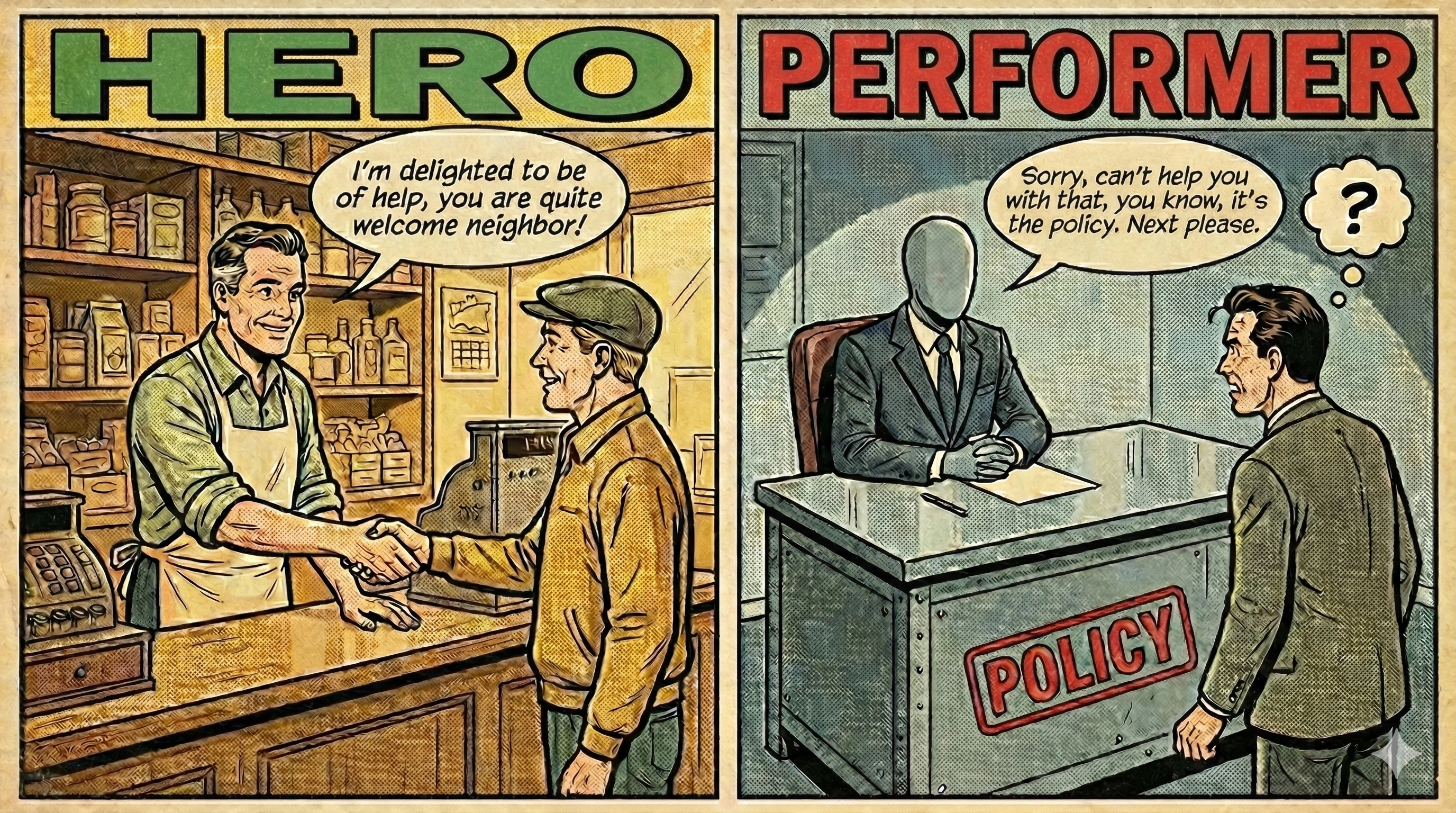
THE ZERO: Andy Jassy, Amazon
The story: In September 2024, Amazon CEO Andy Jassy announced that all corporate employees must return to the office five days a week starting January 2025—ending the hybrid arrangement that had been in place since the pandemic.
Amazon employees are slamming the company's return-to-office policy and plotting their exit less than 24 hours after CEO Andy Jassy announced that they must return to the office five days a week from January.
Jassy framed it as a culture decision: "We've observed that it's easier for our teammates to learn, model, practice, and strengthen our culture; collaborating, brainstorming, and inventing are simpler and more effective."
Employees weren't buying it. "This is a layoff in disguise," one user complained on Reddit. "Return to the office or you're fired and we don't have to pay any severance or unemployment."
The backlash was immediate and severe: An internal survey showed 73% of Amazon workers were considering looking for another job because of the in-office work policy. The survey showed that 80% know colleagues also thinking about leaving.
The policy has reportedly affected morale, especially among parents.
Employees noted the move was harsher than pre-COVID norms: "Please do note that this is (in a lot of cases) significantly more strict and out of its mind than many teams operated under pre-COVID. This is not 'going back' to how it was before. It's just going backwards."
When Jassy denied it was a cost-cutting measure, some experts theorized that Jassy's RTO plan could be a sneaky way of reducing the company's headcount, rather than go through the formal process of conducting layoffs.
Research backed their suspicion: According to research from BambooHR, a survey of more than 1,500 U.S. managers found a quarter of C-suite executives hoped for some voluntary turnover among workers after implementing a return-to-office (RTO) policy. Meanwhile, one in five HR professionals admitted their in-office policy was meant to make staff quit. It's why the report concludes what many workers have long suspected: that "RTO mandates are layoffs in disguise."
Why it's performer: Jassy's mind was filled with one question: "How do I get the headcount reduction I want without paying severance?"
He dressed it up as "culture" and "collaboration." But if collaboration was the real goal, he would have consulted with employees about what they needed. Instead, he announced a mandate that the research shows that high performers are most likely to leave when flexibility is removed, because they have the most options and leverage in the job market.
The result? Amazon loses its best people while keeping those with fewest options. That's not culture building—it's adverse selection disguised as values.
THE HERO: Tobi Lütke, Shopify
The story: In May 2020, while most companies were scrambling to figure out when they'd return to offices, Shopify CEO Tobi Lütke made a different announcement.
In May 2020, Shopify announced that it was now a digital-by-default company. That means we'll keep our offices closed until 2021, and after that, most employees will work from home on a permanent basis. In the words of our CEO Tobi Lütke, "office centricity is over."
"Until recently, work happened in the office. We've always had some people remote, but they used the internet as a bridge to the office," said CEO Tobi Lütke. "This will reverse now. The future of the office is to act as an on-ramp to the same digital workplace that you can access from your [work from home] setup."
Rather than wait and see, Lütke chose to lead: "COVID is challenging us all to work together in new ways. We choose to jump in the driver's seat, instead of being passengers to the changes ahead. We cannot go back to the way things were. This isn't a choice; this is the future."
The company committed to investing in tools and culture rather than mandating presence: "We talk a ton about trust and we use this concept of a 'trust battery' internally at Shopify. And one of the things that we've talked about internally is if you want to be transparent, it means you're going to see some of the messy stuff along the way."
Lütke said the move would allow the company to recruit talent from around the world that "otherwise couldn't [work for the company] because of our previous default to proximity."
Shopify maintained this approach for years while many companies reversed course.
Why it's heroic: Lütke's mind was filled with one question: "How do we give our people what they need to do their best work?"
He didn't frame remote work as a concession to be clawed back when the labor market shifted. He framed it as the future—and committed Shopify to building the systems to make it work.
When other CEOs used "culture" as a reason to force people back, Lütke understood that culture isn't proximity—it's trust. You build culture through how you treat people, not where you make them sit.
THE FRAMEWORK
| Dimension | Performer (Jassy) | Hero (Lütke) |
|---|---|---|
| 2020 response | Pandemic flexibility as temporary | "Office centricity is over" |
| 2024 stance | 5-day mandate, comply or leave | Digital by default continues |
| Stated reason | "Culture" and "collaboration" | Trust and talent access |
| Employee response | 73% considered quitting | Expanded global talent pool |
| What research shows | 25% of CEOs use RTO to force attrition | Remote-first companies see 69% better retention |
| Who benefits | Amazon (no severance for quitters) | Employees + company (shared) |
| Mind filled with | Headcount management | Employee empowerment |
THE LESSON
Both leaders faced the same question every CEO faced post-pandemic: What do we do about remote work?
Jassy chose control. He issued mandates. He told employees who disagreed to leave. He denied it was about cost-cutting while making cost-cutting the obvious outcome. He used "culture" as cover for a policy that research shows drives away the best performers.
Lütke chose trust. He declared remote work the future early—before it was clear whether it would "work." He invested in systems rather than surveillance. He recognized that forcing people back to offices would limit Shopify's access to talent, not expand it.
The difference isn't just tactical—it's philosophical. Jassy sees employees as resources to be optimized. If some quit because of a mandate, that's acceptable attrition. Lütke sees employees as adults capable of managing their own work. If they can deliver results from anywhere, why wouldn't you let them?
Organizations implementing rigid return-to-office mandates are losing their best performers to more flexible competitors. The research shows that high performers are most likely to leave when flexibility is removed. Top talent has options. When companies eliminate remote work, they're selecting for the least marketable employees who can't easily find other jobs, not the most committed ones.
The hero asks: "What do my people need?"
The performer asks: "How do I get what I need while pretending it's for them?"