Irena Sendler: The Mother Who Saved 2,500 Children from the Warsaw Ghetto
A Polish social worker who risked her life smuggling Jewish children to safety during World War II
Into the Ghetto
When Nazi Germany established the Warsaw Ghetto in 1940, over 400,000 Jews were forced into a small, sealed area of Warsaw. Starvation, disease, and deportations to death camps claimed thousands of lives daily. It was a place of unimaginable horror, where death was the only certainty.
Irena Sendler, a Polish social worker, walked directly into that horror—again and again and again.
The Network
Between 1942 and 1943, operating under the code name "Jolanta," Irena Sendler and her network of 10 co-conspirators rescued 2,500 Jewish children from the Warsaw Ghetto. As head of the children's section of Żegota (the Polish underground Council for Aid to Jews), Sendler used her position as a social worker to gain access to the ghetto under the pretense of inspecting sanitary conditions.
But her real mission was far more dangerous.
The Impossible Choice
Disguised as an infection-control nurse, Sendler knocked on doors in the ghetto, approaching terrified parents and grandparents with an impossible request: give up your children.
She asked Jewish families to hand over their sons and daughters to a stranger, with no guarantee they would ever see them again. Most parents knew the truth—that staying in the ghetto meant certain death. But the alternative meant losing their children forever, even if those children survived.
Thousands of parents made that unbearable sacrifice.
Smuggling Children to Safety
Sendler's methods were as creative as they were perilous:
- Children were hidden in ambulances, toolboxes, and suitcases
- Babies were smuggled out in gunnysacks and bodybags
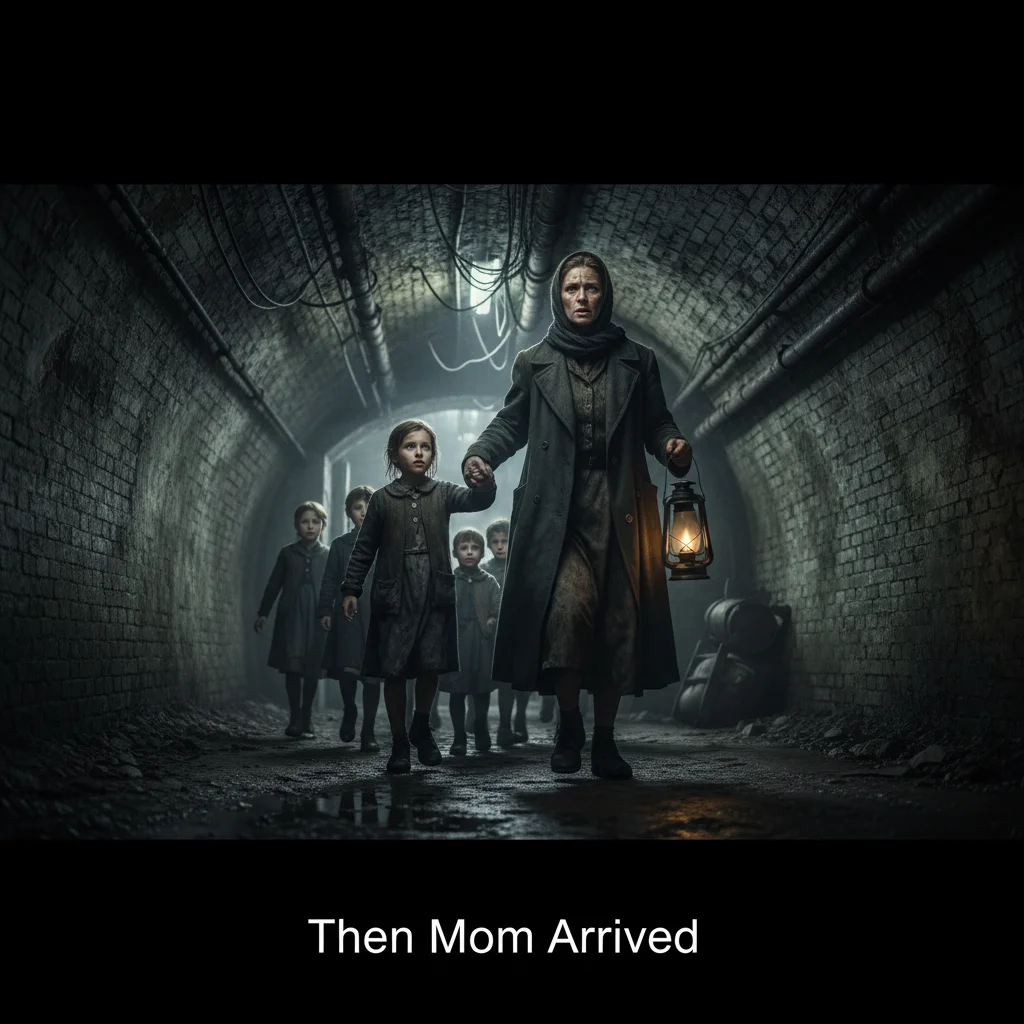
- Older children escaped through sewer systems and secret passages
- Some were carried out in coffins
- Children old enough to memorize Catholic prayers were sneaked through a church on the ghetto border
Each child was given forged identity papers and a new Polish name, then placed with foster families, orphanages, or convents throughout Poland.
The Jars: Preserving Identity
Sendler insisted on keeping meticulous records—a decision that could have gotten her killed. She documented each child's real Jewish name and their new Polish identity, writing everything on tissue paper and burying the lists in milk jars in a colleague's backyard.
These jars became known as "Life in a Jar"—preserving not just names, but the hope that after the war, the children could be reunited with surviving family members and reclaim their true identities.
Arrested and Tortured
In October 1943, the Gestapo arrested Sendler. Despite being taken to Pawiak prison and subjected to brutal torture—including having her legs and feet broken—she refused to reveal the names of the children or betray her network.
She was sentenced to death.
Moments before her scheduled execution, members of Żegota bribed guards and rescued her. Officially listed as executed, Sendler went into hiding and continued her resistance work until the end of the war.
She was crippled for life by the torture, but she never spoke a word.
After Liberation
When the war ended, Sendler dug up the jars and worked to reunite children with surviving relatives. The tragedy was overwhelming—most of the children's families had perished in the Holocaust. Many of the children she saved never learned their rescuer's name until decades later.
Some children were raised Catholic and never learned they were Jewish. Others discovered the truth only as adults when Sendler's lists were finally publicized.
Recognition and Humility
In 1965, Israel recognized Irena Sendler as "Righteous Among the Nations." But her achievement remained largely unknown until 1999, when four Kansas high school students wrote a play about her called "Life in a Jar" for a National History Day competition. The play brought her story to international attention.
Despite her extraordinary courage, Sendler remained humble until her death in 2008 at age 98. She always insisted she could have done more.
"I could have done more," she said. "This regret will follow me to my death... Every child saved with my help is the justification of my existence on this Earth, and not a title to glory."
A Legacy of Maternal Courage
Irena Sendler saved 2,500 children who were not her own. She risked torture and death, not once, but repeatedly. She walked into the ghetto knowing she might never walk out. She endured broken bones rather than betray the children she had saved.
She embodied maternal love in its purest form—fierce, protective, and absolutely selfless. She gave those children a future when the world had condemned them to death.
The jars she buried in a garden contained more than names. They contained hope, identity, and the promise that someone, somewhere, would remember these children mattered.
Impact: Irena Sendler saved 2,500 Jewish children from the Warsaw Ghetto during World War II, preserving their identities in buried jars and giving them a chance at life when death seemed certain.